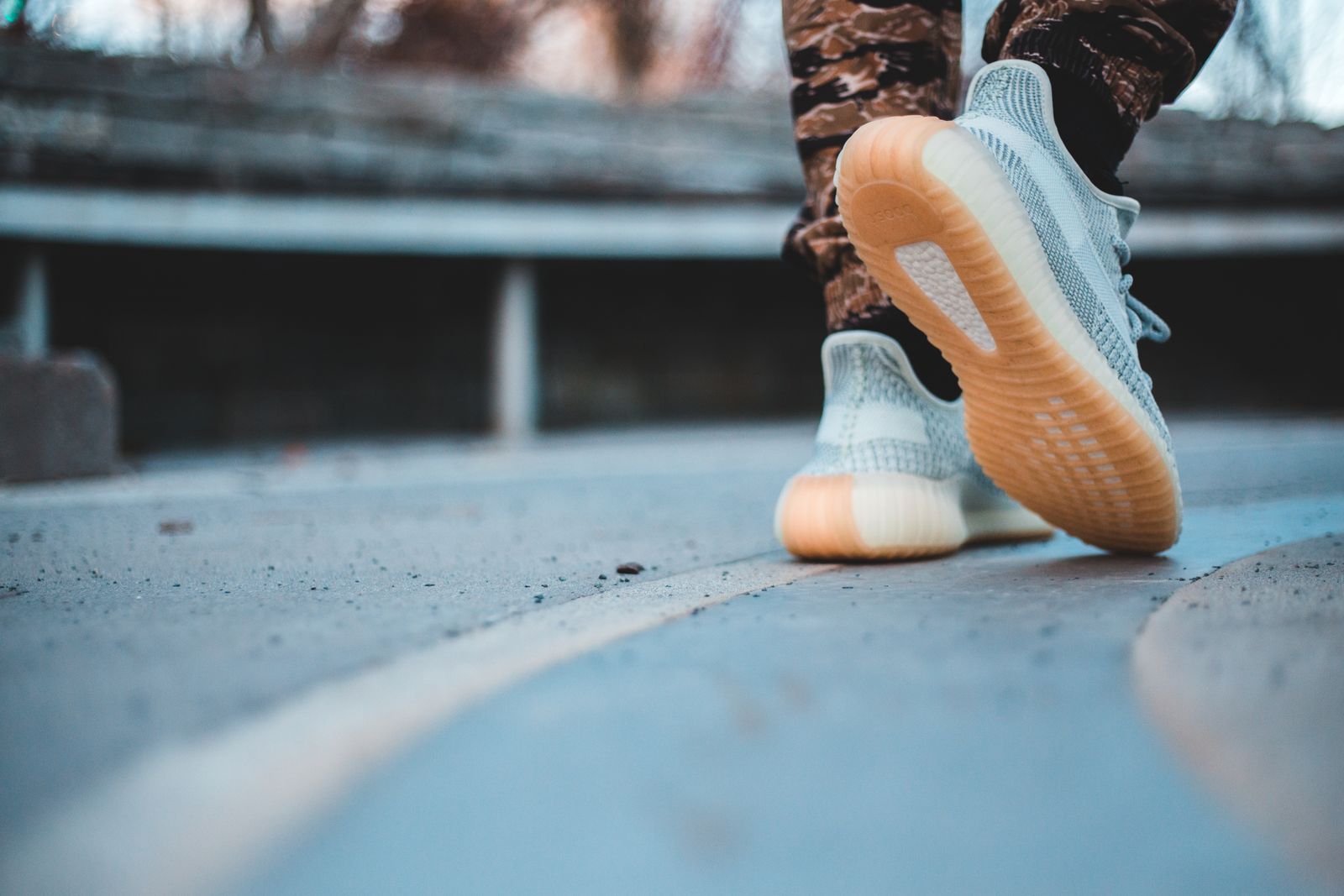
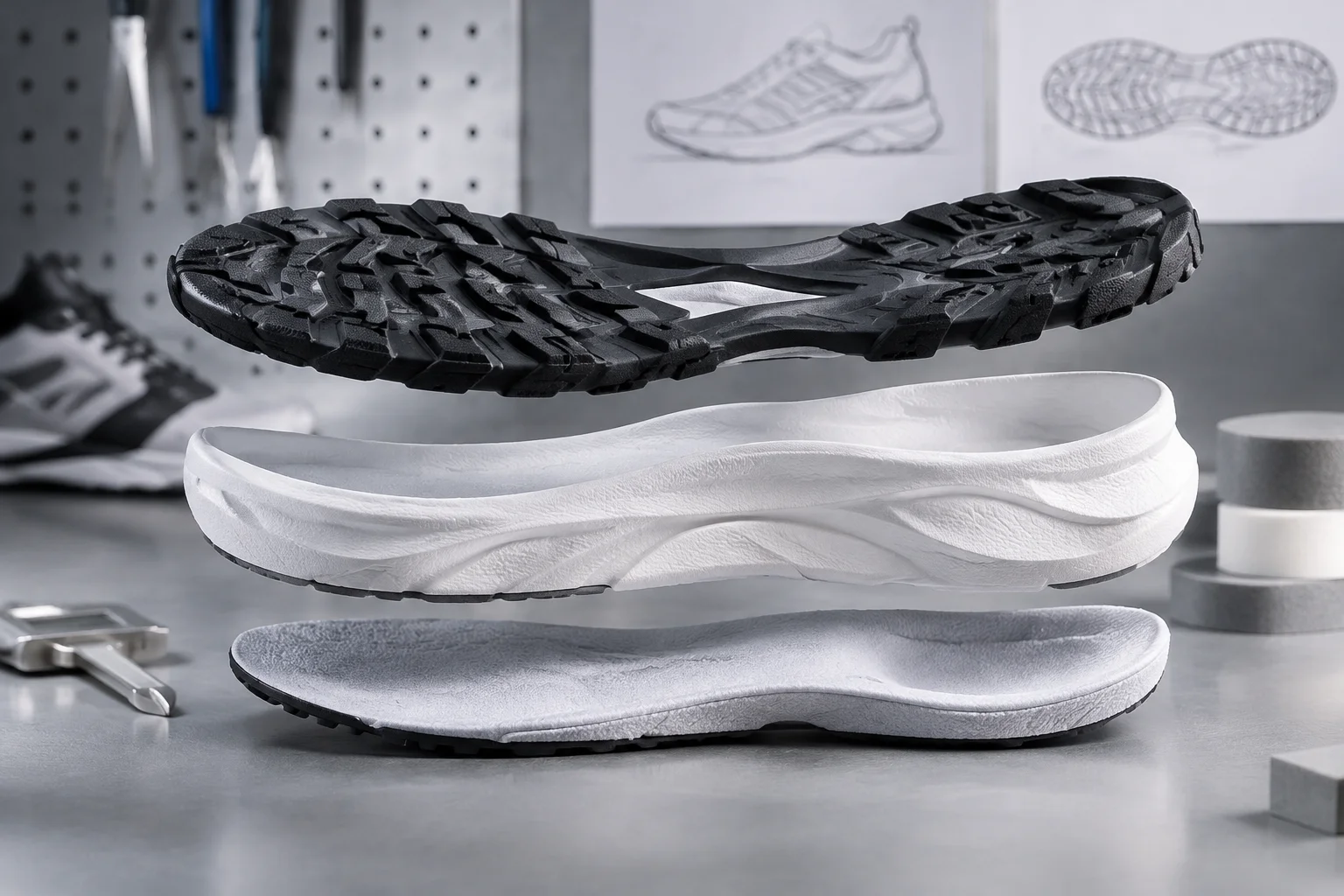
When you look down at a pair of sneakers, the bottom layer often receives the least attention until something goes wrong. A sudden slip on a wet pavement or sore arches after a short walk usually trace back to neglected sole engineering. Every sneaker bottom consists of carefully layered components designed to interact with the ground beneath it.
Understanding these layers transforms how you select footwear for daily commuting, running, or casual wear. Viewqelro.Digital breaks down the exact science of shoe bottoms.
The Role Of Rubber Compounds
The outermost layer contacting the ground is the outsole, and its primary ingredient dictates your safety. Manufacturers blend natural and synthetic rubbers with various fillers to achieve a balance between wear resistance and traction. Harder rubber lasts longer on abrasive concrete, but it often sacrifices the sticky grip needed on slick indoor surfaces or wet metal grates.
Softer rubber compounds conform tightly to microscopic textures on the ground, creating high friction. Unfortunately, these soft mixtures wear down quickly under heavy friction. Designers constantly adjust chemical ratios to find a middle ground for everyday sneakers.
Midsole Foam And Impact Absorption
Sandwiched between your foot and the rubber outsole lies the midsole, which is the true engine of comfort. This thick foam layer compresses with every step to absorb shock before it travels up into your knees and lower back. Ethylene-vinyl acetate has dominated this space for decades, but modern polyurethane and nitrogen-infused plastics offer far superior energy return.
Different foam densities serve different purposes across the shoe. Softer foams under the heel cushion heavy heel strikes, while firmer foams under the arch prevent the foot from rolling inward excessively during movement. Without a properly tuned midsole, even the most stylish sneaker feels like walking on bare bricks after an hour.
Tread Patterns And Water Dispersion
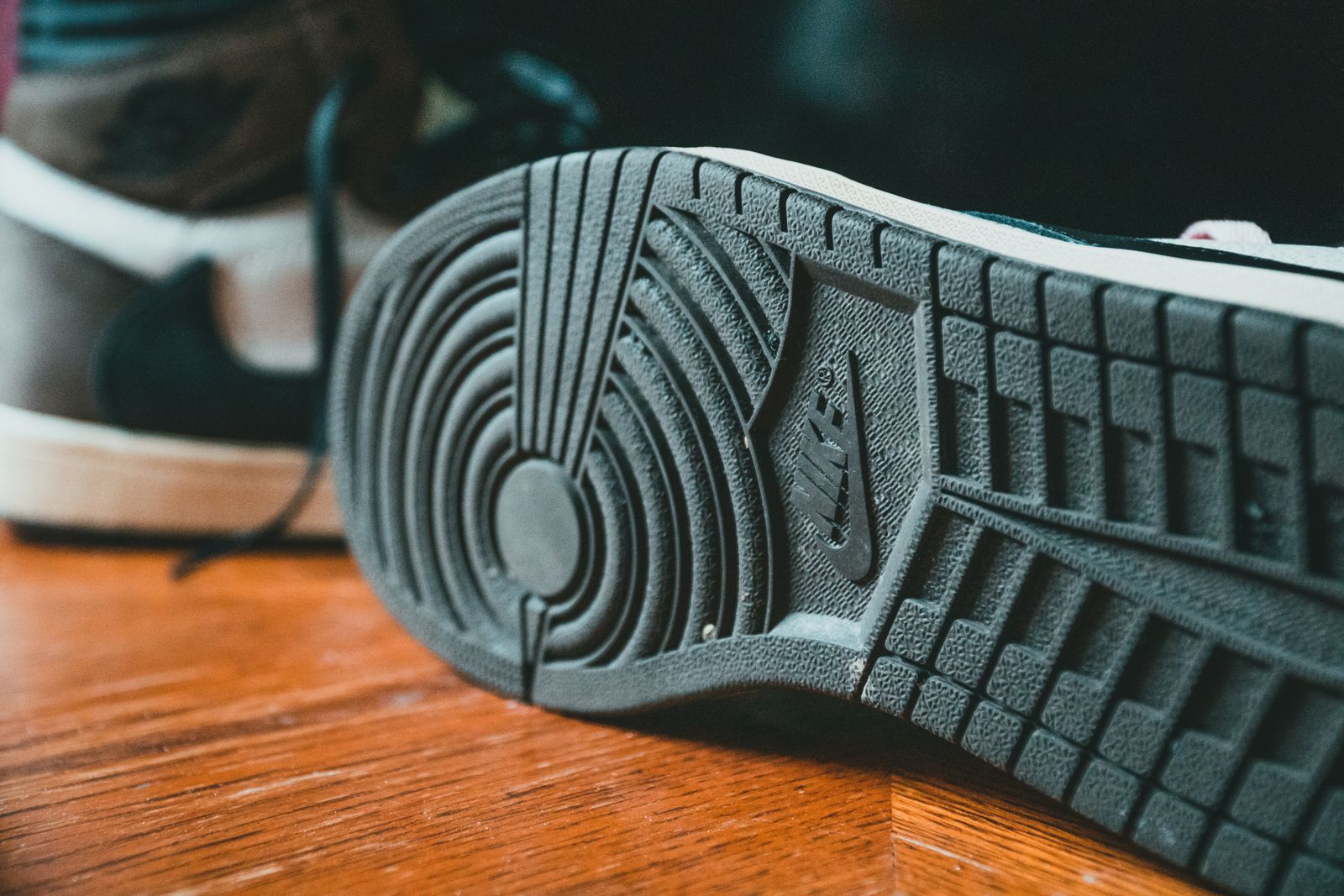
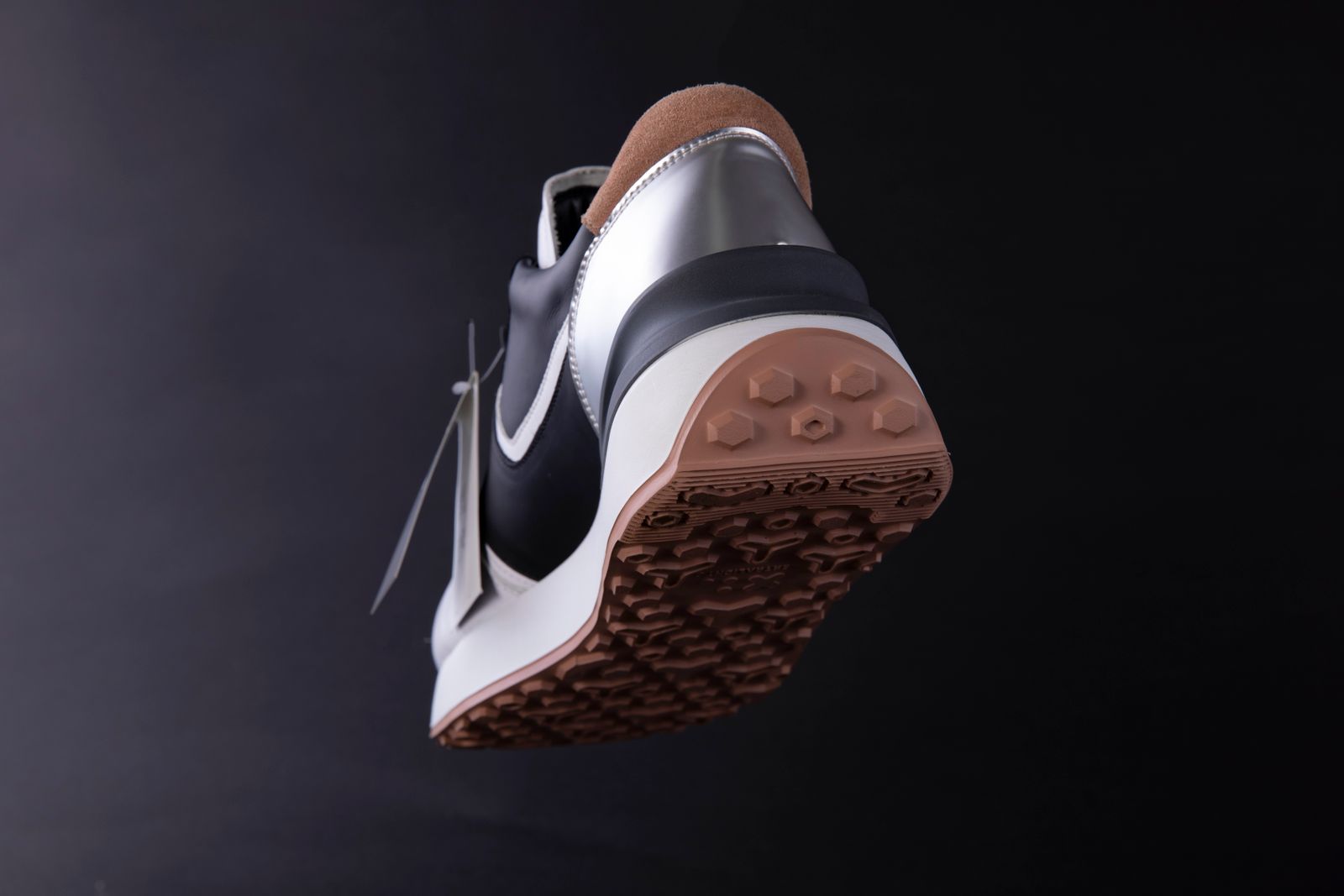
The grooves and lugs carved into the rubber determine how well the shoe sheds water and mud. A smooth flat bottom works fine on dry hardwood, but it traps a film of liquid under the foot outdoors, leading to hydroplaning. Deep geometric channels push water away from the contact patch, maintaining direct contact with the ground.
Consider these key factors when inspecting a new pair of shoes:
- Shallow herringbone grooves for indoor court traction
- Deep multi-directional lugs for loose dirt and gravel
- Wide flex grooves under the ball of the foot
- Siping cuts that open up when flexed on wet surfaces
- Reinforced rubber toe caps for high-wear areas
- Heel strike zones built with abrasion-resistant carbon rubber
How Layers Work Together
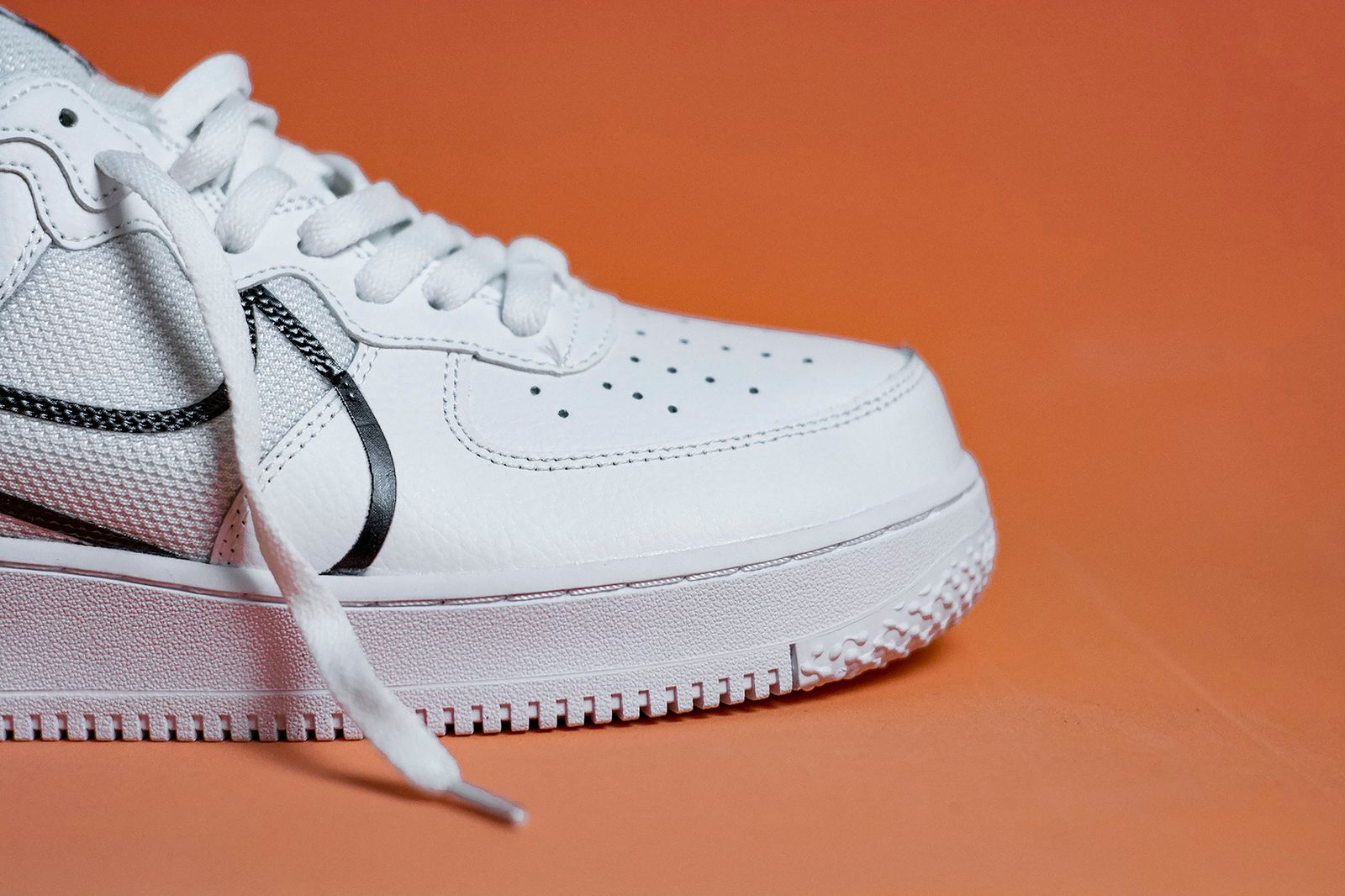
No single layer operates in isolation on a sneaker. A stiff carbon rubber outsole protects a bouncy foam midsole, while the insole rests on top to manage moisture and add micro-cushioning. When these three elements synchronize correctly, the shoe moves naturally with the foot rather than fighting against it.
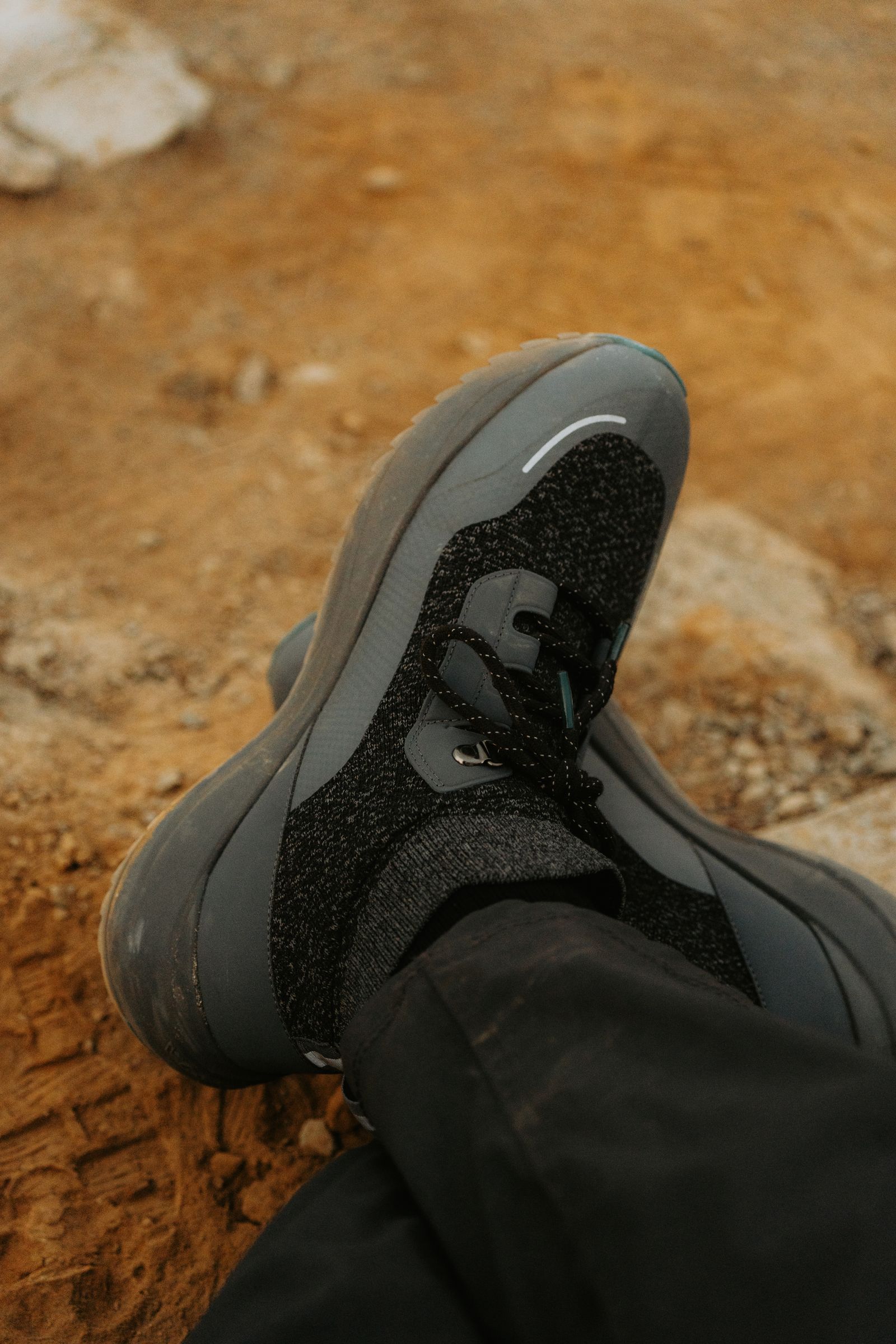
Paying attention to these details prevents wasted money on footwear that looks great in a box but fails on the street. Next time you shop for sneakers, turn them upside down and examine what is really supporting your weight.








 Viewqelro.Digital
Kateryna Petrenko
Lead Material ResearcherOlena Koval
Tread Pattern DesignerDmytro Kovalenko
Foam Density AnalystOleksandr Bondarenko
Grip Testing Engineer